Vision
Nurses globally lead the development and use of effective gerontechnology.
Nurse scientists and partners advancing AgeTech so older adults can age in the place of their choosing—safely, equitably, and with dignity.
Photo · Sigismund von Dobschütz · CC BY-SA 3.0
From Nursing Outlook
Most older adults want to remain at home. Gerontechnology can help—but adoption still lags. The Global Gerontechnology Center for Nursing Science brings nurse scientists, clinicians, and interdisciplinary partners together to design, test, and translate AgeTech worldwide.
We invite nurse scientists and practitioners leading innovative gerontechnology research, and their interdisciplinary partners, to collaborate to advance possibilities for optimal aging in a digital world globally. — Fritz et al., Nursing Outlook (2025)
What guides us
Nurses globally lead the development and use of effective gerontechnology.
Facilitate a nurse-led movement in gerontechnology research, application, and optimizing care and living for all older adults—now and in the future.
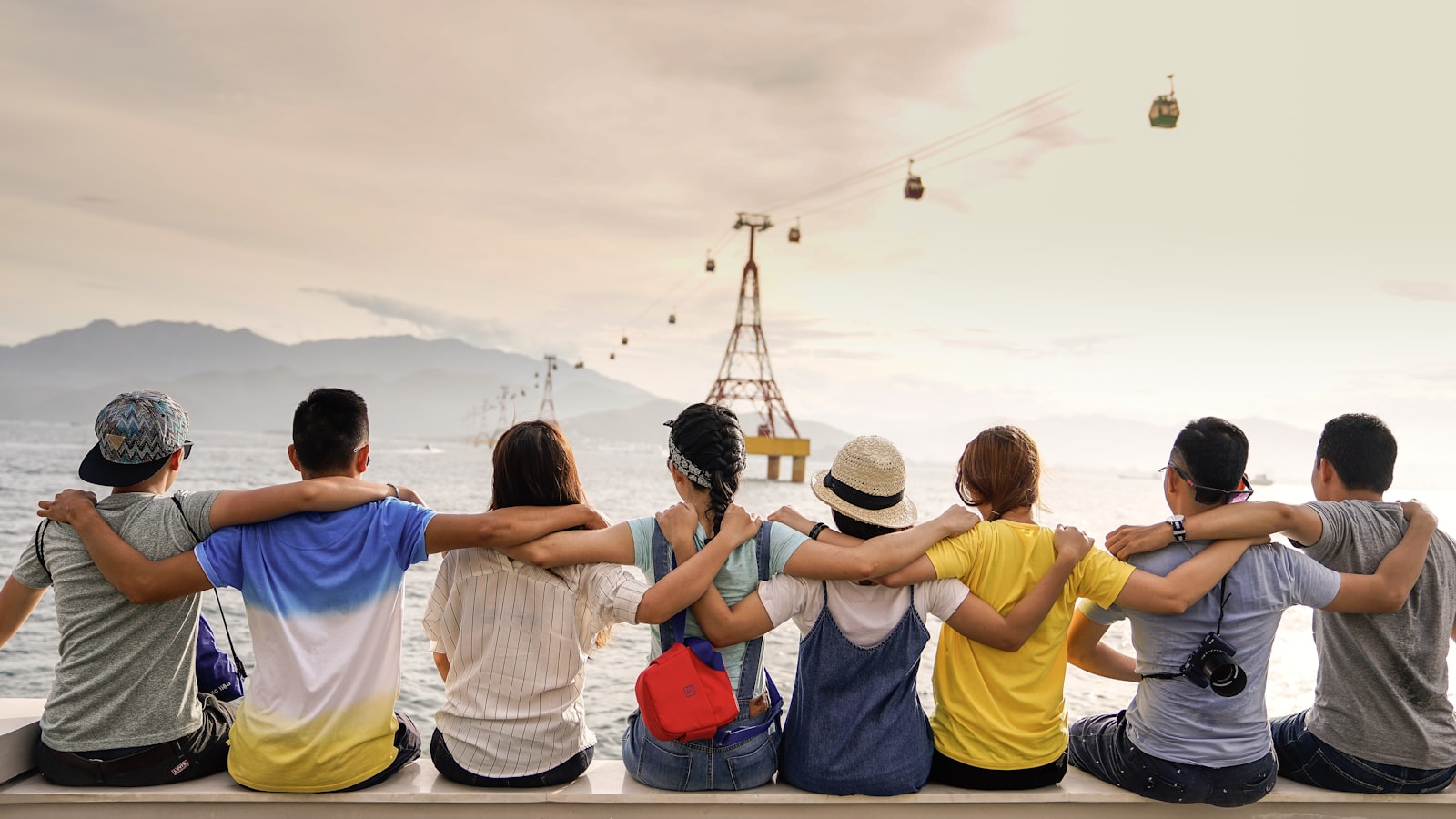
Shared learning, cultural sensitivity, interdisciplinary and intergenerational engagement, transparency, respect, innovation, future-focused thinking, and service to older adults.
Research in action
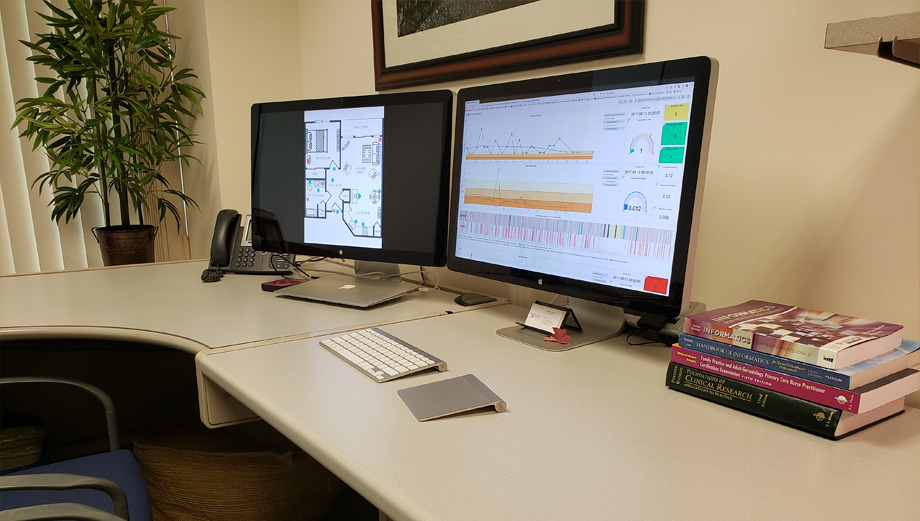
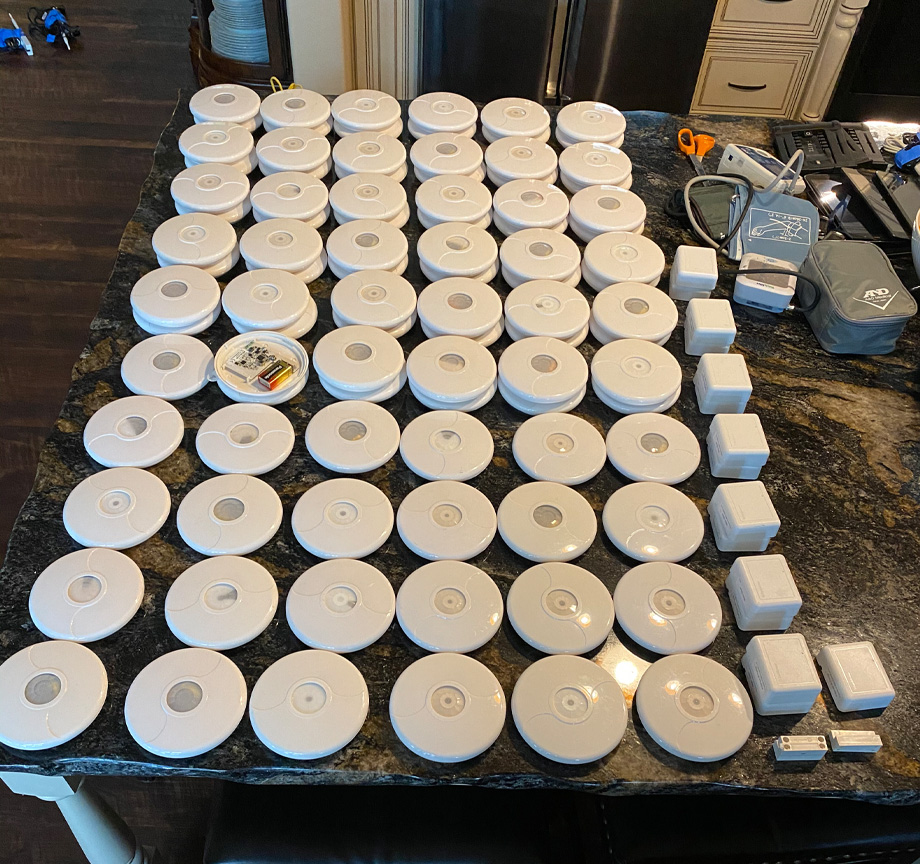
Ambient sensors detect meaningful health changes without cameras or microphones—supporting aging in place.
Learn more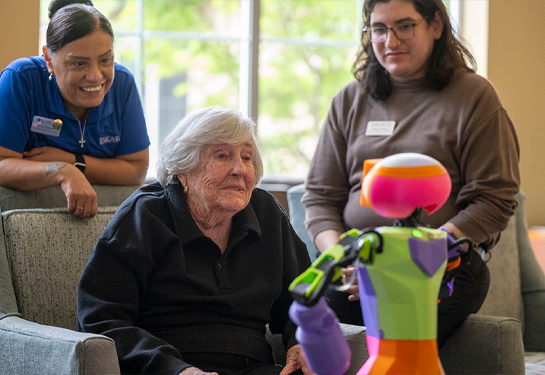
International partners explore robotics that assist daily living while centering nursing judgment.
Learn more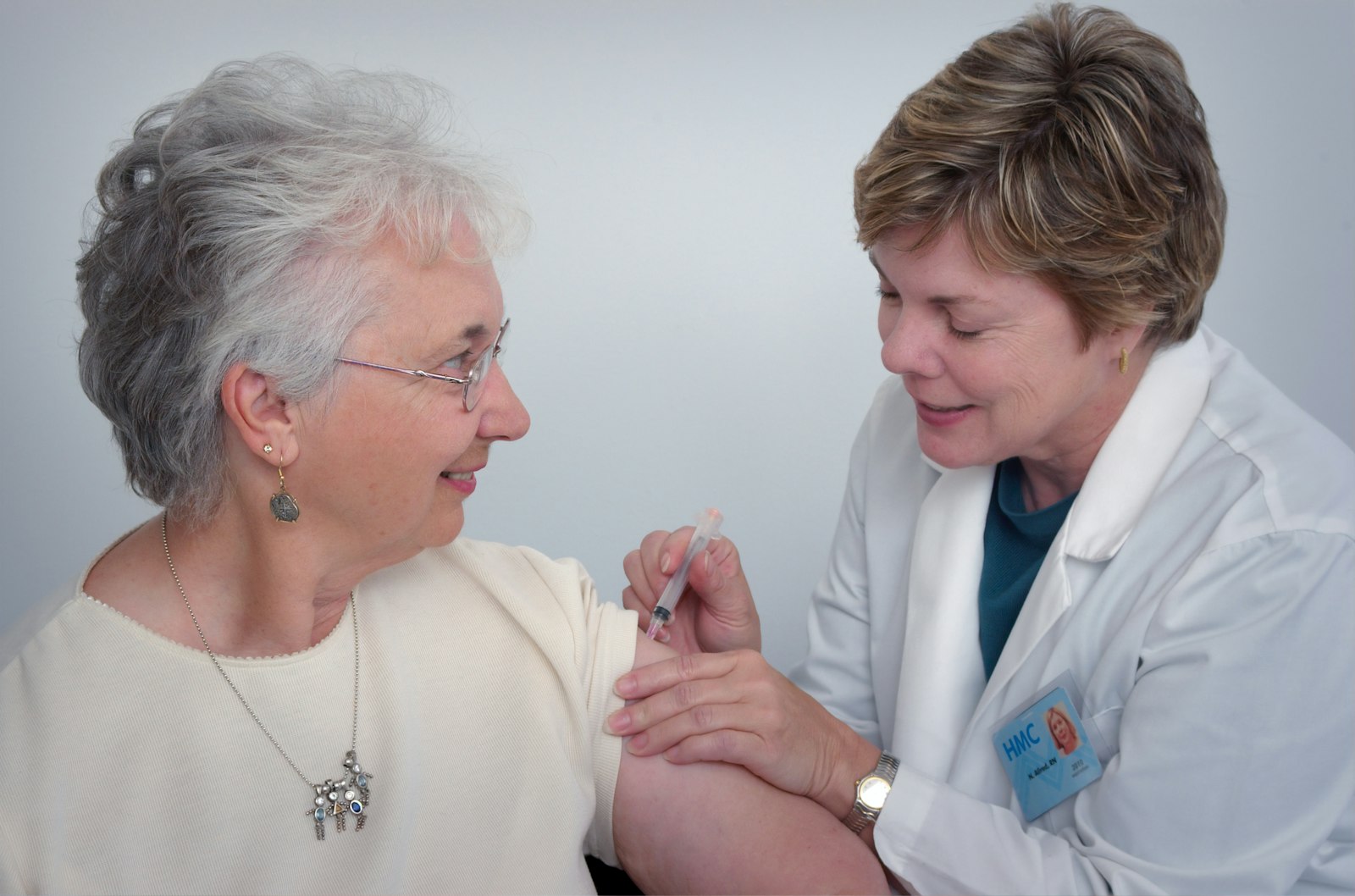
Tools that support nurses, families, and persons living with dementia across cultures.
Learn more
July 5–8, 2026 · Amsterdam
At the 23rd IAGG World Congress—“Ageing Well in a Globalized World”—the center presented an implementation roadmap for AgeTech grounded in nursing science and global partnership.
Leadership
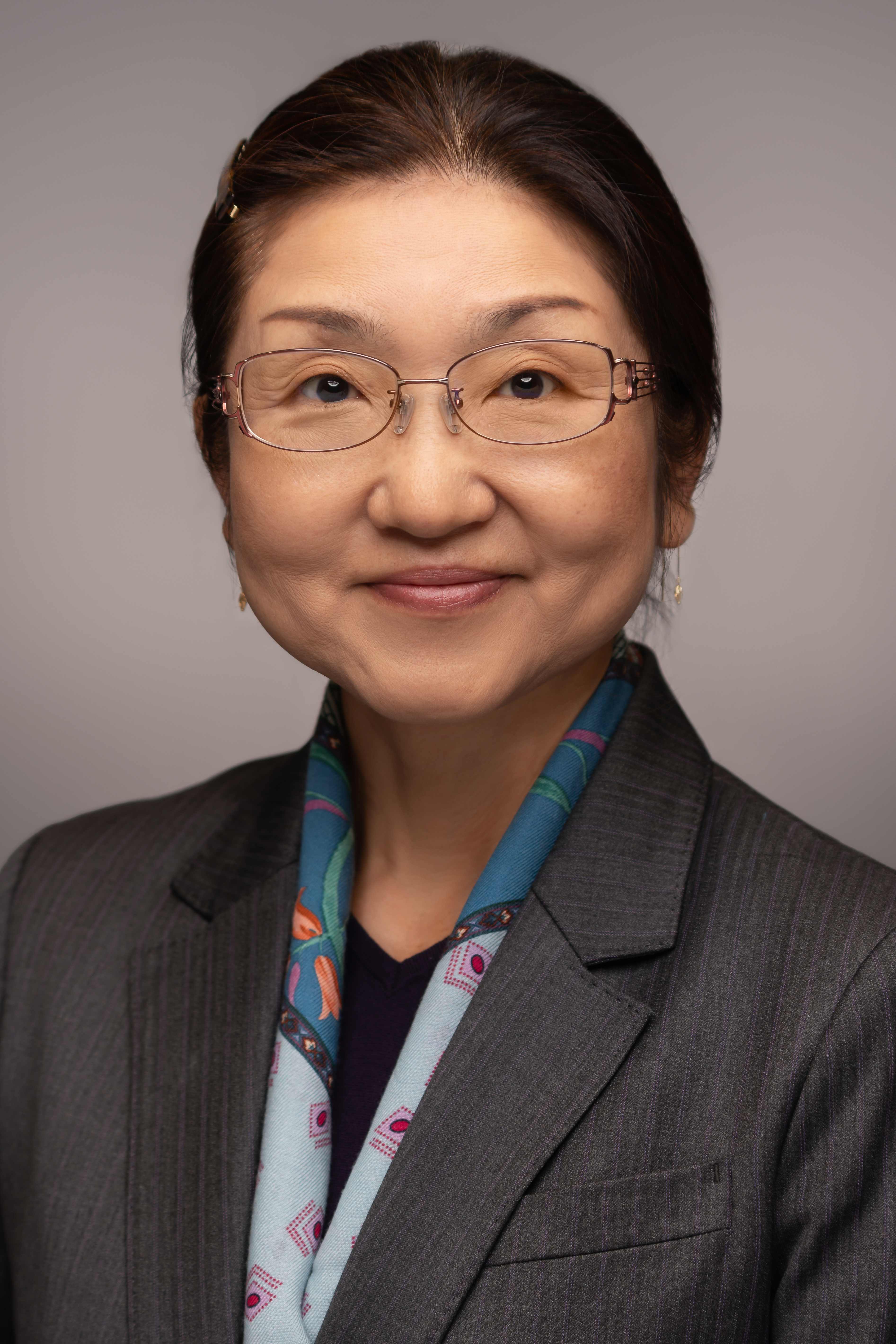
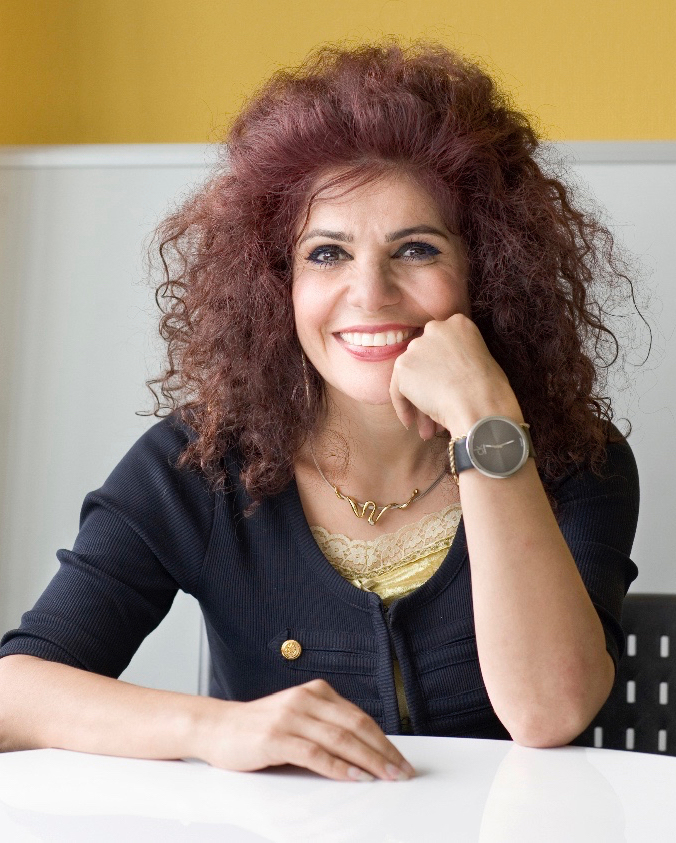
Meet Roschelle “Shelly” Fritz and the international delegates who co-created the center’s charter at UC Davis Health in March 2025.
AgeTech for the public
AgeTech develops and studies technologies that help people age in place. Our video library will host clear, accessible explainers for older adults, families, and clinicians—as new films are published.